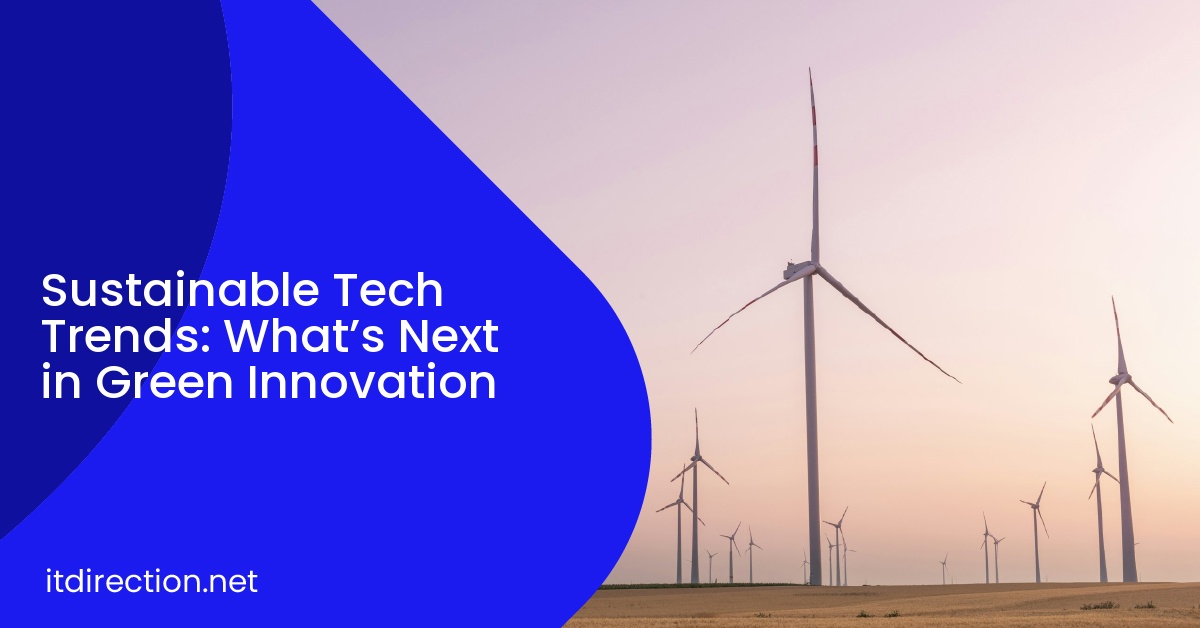

Welcome to our article on sustainable tech trends and the future of green innovation. As we look ahead, it’s clear that waste reduction and energy efficiency will play a crucial role in shaping a greener and more sustainable world. We’ll explore the latest advancements, emerging technologies, and exciting trends that are revolutionizing the way we approach environmental challenges.
5 Green Tech Trends to Watch in 2023
In 2023, we can expect several exciting trends in green technology. From low-carbon construction to hydrogen fuel cell vehicles, these innovations are set to shape a more sustainable future. Here are five green tech trends to keep an eye on:
1. Low-carbon construction
Low-carbon construction is gaining momentum as more companies prioritize sustainable building practices. Smart and eco-friendly buildings are being designed to minimize carbon emissions, waste, and pollution. With innovative materials and energy-efficient features, these structures are setting new standards for sustainable construction.
2. Carbon capture and storage
Carbon capture and storage technology is a game-changer in the fight against climate change. By capturing CO2 emissions from industrial processes or power plants, this technology prevents them from entering the atmosphere. The captured carbon is then stored safely, reducing greenhouse gas levels and mitigating the impacts of global warming.
3. Renewable energy storage
Renewable energy sources like solar and wind power are abundant but intermittent. To ensure a consistent supply of clean energy, researchers and companies are developing innovative storage solutions. From advanced batteries to breakthrough technologies, renewable energy storage is crucial for a successful transition to a sustainable energy system.
4. Hydrogen fuel cell vehicles
Hydrogen fuel cell electric vehicles (FCEVs) are gaining traction as a greener alternative to traditional combustion-powered cars. FCEVs use hydrogen gas to generate electricity, producing only water vapor as a byproduct. With improvements in efficiency and refueling infrastructure, hydrogen vehicles are becoming a viable option for eco-conscious drivers.
5. Upcycling
Upcycling is a creative approach to waste reduction that involves transforming discarded materials into new, useful products. As companies strive to reduce their environmental footprint, upcycling is becoming increasingly popular. By repurposing waste and giving it a new life, businesses are contributing to a circular economy and minimizing the amount of waste that ends up in landfills.
These five green tech trends hold great promise for a more sustainable future. As we embrace these innovations, we move closer to achieving a greener and cleaner planet for generations to come.
7 Ways to Become an Eco-Friendly Business
As businesses, we have a responsibility to the environment and future generations to operate in a sustainable and eco-friendly manner. Here are seven practical ways to become an eco-friendly business:
- Track and Reduce Carbon Footprint: Start by tracking your company’s carbon footprint to understand your environmental impact. Then, develop plans and strategies to reduce it, such as implementing energy-efficient practices, using renewable energy sources, and optimizing transportation logistics.
- Conduct Life Cycle Assessments (LCA): Perform life cycle assessments on your products or services to identify areas where you can reduce environmental impact. This analysis will help you make informed decisions and find opportunities for improvement throughout your value chain.
- Prioritize Waste Reduction: Implement waste reduction strategies within your organization. This includes minimizing packaging waste, promoting recycling and composting programs, and exploring ways to reuse or repurpose materials.
- Embrace ESG Reporting: Environmental, social, and governance (ESG) reporting is a valuable tool for measuring and disclosing your company’s sustainability efforts. By reporting key metrics and goals, you can showcase your commitment to the environment and attract like-minded customers and investors.
- Commit to Environmental Commitment: Make a public commitment to environmental sustainability by adopting an environmental policy that outlines your company’s goals and objectives. This commitment demonstrates your dedication to making a positive impact and holds you accountable for taking action.
- Purchase Sustainable Products: Whenever possible, choose sustainable and eco-friendly products for your business operations. Look for certifications like Energy Star, Forest Stewardship Council, or Cradle to Cradle to ensure that the products align with your environmental values.
- Support Environmental Causes: Engage with and support environmental organizations and initiatives. This can include funding environmental projects, participating in clean-up campaigns, or offering employees paid time off to volunteer for environmental causes.
By implementing these strategies, we can reduce our environmental impact and contribute to building a greener and more sustainable future. Let’s make a collective effort to protect our planet and ensure a healthier world for generations to come.
How Your Company can Benefit from Green Technology
Green technology is not just for companies directly involved in the industry. Even if you’re not a green tech provider, there are still ways your company can benefit from incorporating green technology into your operations. By embracing green technology, you can reduce your carbon footprint, achieve cost savings, promote sustainability, and make use of renewable resources.
One of the key advantages of adopting green technology is the opportunity to reduce your carbon footprint. Green tech solutions can help you minimize waste, optimize energy usage, and implement sustainable practices that are better for the environment. By taking steps to reduce your carbon emissions, you contribute to the global effort of mitigating climate change and creating a more sustainable future.
In addition to the environmental benefits, implementing green technology can also lead to significant cost savings for your company. Efficiency improvements often come hand in hand with adopting green tech solutions, resulting in reduced energy consumption and lower operational costs. Whether it’s implementing energy-efficient lighting systems or optimizing your supply chain to reduce waste, the financial gains from embracing green technology can be substantial in the long run.
Furthermore, by incorporating green technology into your business practices, you demonstrate your commitment to sustainability. Consumers and stakeholders are increasingly conscious of environmental issues and are more likely to support businesses that prioritize sustainability. By aligning your company with green technology, you not only enhance your brand reputation but also attract environmentally conscious customers who are actively seeking out sustainable products and services.
Lastly, green technology provides access to renewable resources, which can be harnessed to meet your company’s energy needs. Renewable resources such as solar, wind, and hydroelectric power offer reliable and sustainable alternatives to fossil fuels. By leveraging these resources, you reduce dependence on non-renewable energy sources, contribute to a greener energy grid, and future-proof your business against potential energy price fluctuations.
Innovation in Green Technology: Top 10 Disruptive Innovations
Green technology is continuously evolving and driving the development of disruptive innovations that pave the way for a sustainable future. These innovations address pressing environmental concerns and offer promising solutions to create a greener and more environmentally friendly world.
Solar Desalination
Solar desalination harnesses the power of solar energy to desalinate saltwater, providing a sustainable solution to water scarcity. By leveraging renewable energy, this innovation offers a cost-effective and eco-friendly method to produce fresh water, especially in regions with limited freshwater resources.
Green Architecture
Green architecture focuses on designing buildings with minimal negative impact on the environment. It incorporates energy-efficient features and utilizes renewable materials, reducing energy consumption and carbon emissions. Green architecture promotes sustainable and eco-friendly construction practices, contributing to the development of more environmentally conscious cities.
Vertical Farming
Vertical farming revolutionizes agriculture by enabling the cultivation of crops in vertically stacked layers, using advanced technologies like hydroponics and aeroponics. This innovation maximizes land utilization, minimizes water consumption, and reduces the need for pesticides and herbicides. Vertical farming offers a sustainable solution to food production, especially in urban areas with limited arable land.
These disruptive innovations, along with others like wind power, electric vehicles, plant-based packaging, sustainable phones, e-waste recycling, and carbon capture and storage, are driving the green tech industry forward. They hold immense potential to shape a sustainable future, mitigate climate change, and create a more environmentally friendly world for generations to come.
Advancements in Green Technology: Building a Sustainable Future
At IT Direction, we are proud to be at the forefront of green technology advancements that are shaping a sustainable future. One of the key areas of progress is in solar energy, where we are witnessing the development of high-efficiency photovoltaic cells and improved solar battery storage. These advancements are making solar energy a more reliable and cost-effective solution for powering homes and businesses.
Another significant advancement is seen in wind power, as it becomes an essential component of renewable energy systems. With both onshore and offshore wind farms, we are harnessing the power of wind to generate clean electricity on a large scale. The continuous innovation in wind turbine technology is making wind power more efficient and economically viable.
Hydroelectric power is also evolving, with the advent of small-scale and tidal/wave energy technologies. These innovations are expanding our ability to generate electricity from water resources in a more sustainable and environmentally friendly manner. Additionally, biofuels are emerging as a renewable and carbon-neutral alternative to fossil fuels, utilizing various biomass sources to power transportation and reduce greenhouse gas emissions.
We understand the importance of water conservation, and we are dedicated to developing technologies that address the water scarcity challenge. Our smart irrigation systems and advanced desalination techniques are helping to conserve water resources and provide sustainable solutions for agricultural and urban needs. Furthermore, we are committed to tackling the growing problem of e-waste through innovative recycling techniques that safely dismantle and recycle electronic devices, minimizing their environmental impact.
With a focus on eco-friendly materials and green construction practices, we are revolutionizing industries. By replacing traditional plastics and construction materials with sustainable alternatives, we are reducing pollution and resource depletion. Our commitment to green construction extends to promoting energy efficiency and adopting green architecture principles, ensuring that our built environment minimizes its environmental footprint.
We believe that these advancements in green technology are crucial for building a sustainable and environmentally friendly future. By harnessing the power of solar energy, wind power, hydroelectric power, biofuels, and promoting water conservation, e-waste recycling, eco-friendly materials, and green construction practices, we can create a world that is both thriving and sustainable for future generations.

- RabbitMQ Troubleshooting: Essential Strategies for IT Leaders - February 25, 2026
- Green IT Infrastructure Assessment & Optimization: A Comprehensive Framework for Sustainable Technology - December 11, 2025
- Reactor Vessel Design: Ensuring Integrity Through Specification - November 20, 2025