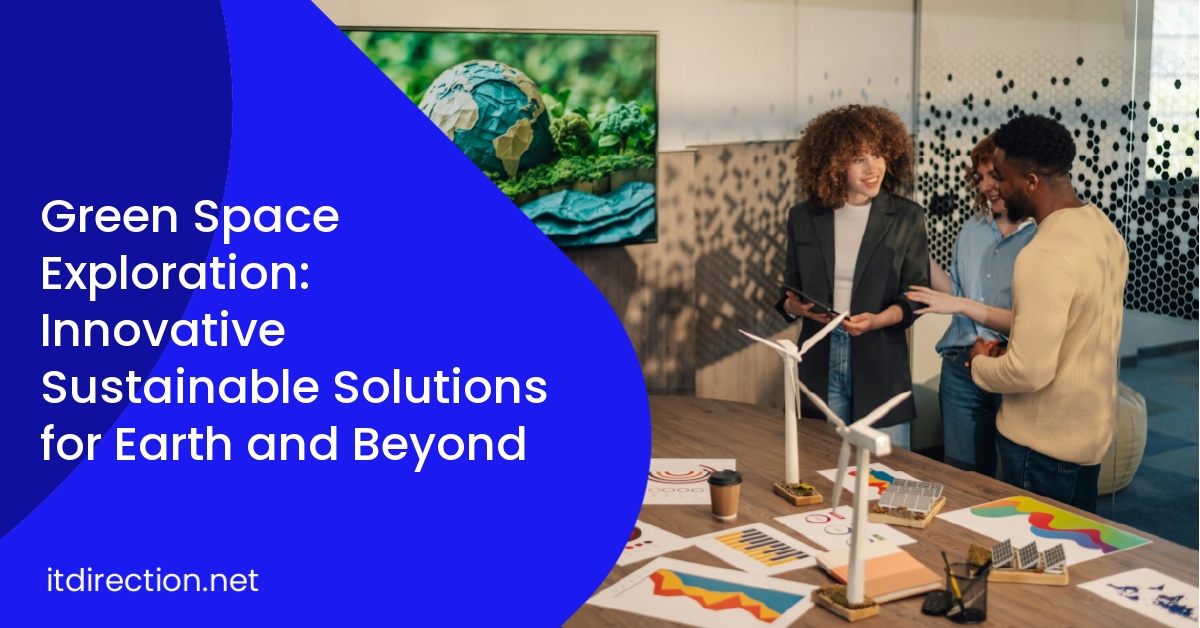

The Importance of Green Space Exploration
Incorporating green principles into space exploration impacts both our planet and future space habitats. Innovative technologies can revolutionize ecological and social landscapes globally.
Ecological Benefits
Green space exploration fosters biodiversity by integrating life-sustaining systems into spacecraft, mirroring Earth’s ecosystems. Closed-loop systems, which recycle air and water, reduce resource consumption, ensuring minimal waste. Solar power harnessed efficiently decreases dependency on fossil fuels. Projects like NASA’s VEGGIE study, which grows plants in space, pioneer sustainable farming methods, benefiting space missions and Earth’s agriculture. Reduced emissions from energy-efficient propulsion systems lower the overall carbon footprint.
Social Benefits
Sustainable space initiatives offer educational opportunities, inspiring future generations in STEM fields. Public involvement in green projects enhances community awareness of environmental stewardship. Improved recycling and waste management technologies developed for space missions can be applied to urban systems, improving city living standards. Off-world agriculture research supports food security innovations, addressing global hunger. Sustainable practices in space set a precedent, encouraging societal shifts toward eco-friendly habits.
Sustainable Innovations in Green Space Development
Green space exploration emphasizes sustainable innovations to reduce environmental footprints and ensure longevity.
Renewable Energy Resources
Space missions adopt renewable energy resources, particularly solar power, for efficiency and sustainability. Solar panels convert sunlight into electrical energy, supporting spacecraft operations. This reduces reliance on non-renewable sources and minimizes waste. For example, the Mars Rover uses solar arrays to meet energy needs, showcasing the practical application of solar technology in challenging environments. Additionally, advancements in energy storage, like lithium-ion batteries, improve the efficiency of energy use, ensuring uninterrupted mission activities even during periods without direct sunlight.
Eco-Friendly Construction Techniques
Eco-friendly construction techniques enhance sustainability in green space development. Using regolith, local moon and Mars soil, as building material reduces the need for transporting resources from Earth. 3D printing technologies enable the creation of infrastructure using these materials, minimizing waste and maximizing resource efficiency. NASA’s 3D-Printed Habitat Challenge demonstrates how this approach can produce living spaces, laboratories, and other essential structures in space. This technique not only benefits space infrastructure but also offers innovations for Earth-bound construction, promoting the use of local materials and reducing environmental impacts.
Impact on Urban Planning and Development
Green space exploration impacts urban planning by introducing sustainable innovations applicable to Earth-bound construction. These developments enhance urban landscapes and public infrastructure, promoting eco-friendly and efficient city designs.
Sustainable Urban Landscapes
Urban planners incorporate green principles from space exploration into city landscapes. Using local materials, such as recycled construction waste, reduces the carbon footprint. Space farming techniques, like hydroponics, can transform urban spaces into sustainable urban farms. These farms provide local food sources and improve air quality. Vertical gardens and green roofs, techniques inspired by space habitats, enhance biodiversity and thermal regulation in cities.
Integration With Public Infrastructure
Public infrastructure benefits from space exploration technologies. Solar power, a staple in space missions, can power urban transit systems and street lighting. Water recycling systems developed for space can be integrated into municipal water management. These systems reduce water wastage and bolster urban water conservation efforts. Eco-friendly construction materials from space missions can be used in building public structures, decreasing dependence on traditional resources and improving overall sustainability.
Case Studies of Successful Green Space Innovations
Innovative green space projects offer tangible benefits when adopted in urban settings. These projects serve as practical examples influencing sustainable development.
Examples From Major Cities
Urban planners in cities like Singapore, Copenhagen, and Barcelona have pioneered green space innovations.
- Singapore: The city integrates Nature Parks Network with over 350 parks connected by a comprehensive network of park connectors. This initiative improves biodiversity and provides recreational spaces.
- Copenhagen: Known for its Green Roof Policy, Copenhagen mandates green roofs on new buildings, enhancing urban ecology and managing stormwater.
- Barcelona: The Superblocks Project reduces traffic and reallocates space for communal green areas and pedestrian-friendly zones, contributing to a sustainable urban environment.
Lessons Learned and Best Practices
From these initiatives, we observe key takeaways to enhance urban green space development.
- Community Involvement: Involving local communities in planning ensures the adoption and maintenance of green spaces.
- Policy Implementation: Effective policies, like green roof mandates, require robust support from local government bodies.
- Integrated Planning: Designing multifunctional green spaces that serve ecological, recreational, and social purposes leads to more comprehensive sustainability.
These successful case studies offer valuable insights for other cities aiming to improve their green spaces and overall urban sustainability.
Conclusion
Embracing sustainable innovations in space exploration promises not only to revolutionize our missions beyond Earth but also to enhance urban living. By integrating eco-friendly technologies and practices, we can reduce our environmental footprint and create resilient communities. The success stories from cities like Singapore, Copenhagen, and Barcelona demonstrate the power of thoughtful urban planning and community engagement. As we continue to explore the cosmos, let’s leverage these green innovations to build a sustainable future both on Earth and among the stars. The journey ahead is exciting and full of potential for positive change.

- RabbitMQ Troubleshooting: Essential Strategies for IT Leaders - February 25, 2026
- Green IT Infrastructure Assessment & Optimization: A Comprehensive Framework for Sustainable Technology - December 11, 2025
- Reactor Vessel Design: Ensuring Integrity Through Specification - November 20, 2025