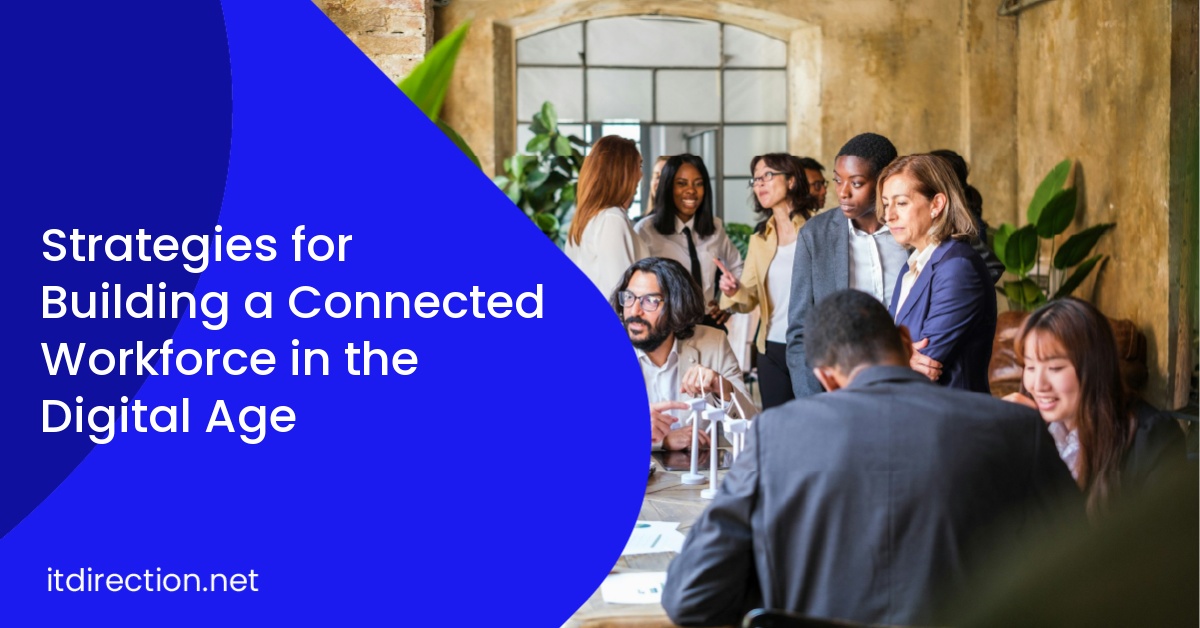

The digital age has radically transformed every aspect of our lives, including the way we work. A new paradigm has emerged where connectivity, mobility, and agility are cornerstone elements. Organizations today face the critical need for a functional and efficient connected workforce—a necessity rather than a luxury in this constantly evolving digital landscape.
A connected workforce constitutes employees who leverage technology to communicate, collaborate, and make strategic decisions. Ensuring such connections becomes increasingly crucial as the modern workplace expands beyond physical borders, demanding the bridging of geographical, generational, and cultural divides. The goal of this article is to explore the strategies that can serve as a blueprint for building a connected workforce.
Importance of a Connected Workforce
In the era of rapid digital transformation, a connected workforce acts as a powerful engine behind growth, innovation, efficiency, and productivity. Its influence extends beyond the corridors of operational aspects, impacting organizational culture, employee engagement and satisfaction, and overall business success.
The impact of a connected workforce on an organization can be understood through the following facets:
- Fostering Innovation: A connected workforce, armed with the right communication tools, paves the way for innovation by breaking down organizational silos. It fosters an environment conducive to the free-flowing exchange of ideas, encouraging employees to think outside-the-box and create innovative solutions.
- Enhancing Collaboration: Utilizing the appropriate meeting or chat software can break down communication barriers, providing employees easy access to their peers, superiors, and team members. This unrestricted dialogue skyrockets collaboration, leading to aligned efforts and streamlined workflows, meeting the demands of the modern workplace efficiently.
- Boosting Productivity: The increased efficiency borne out of effective collaboration means tasks get completed faster and with fewer errors. A digital workplace strategy can pose a substantial improvement to productivity, leading to enhanced business outcomes.
- Promoting Engagement: When employees feel connected and valued, they are more likely to align with organizational goals and become invested in their roles. This connection, coupled with opportunities for continuous learning and development, enhances employee engagement.
- Creating a Common Language: In the age of globalization, your workforce may come from various backgrounds and geographies. A connected workforce facilitates a common language that unifies diverse teams, enabling them to work collaboratively towards a common goal.
Subsequently, cultivating a successful connected workforce does not solely rely on incorporating the latest technology or tools but balances both the digital and human elements of the workplace.
Fostering an environment that acknowledges individuality (through recognition of ’employee personas’), promotes growth (through career progression opportunities), and thrives on engagement.
One of the most effective ways to honor individuality while driving career progression is through e-learning — a flexible, scalable approach that allows employees to develop skills at their own pace and on their own terms. Organizations that invest in structured digital learning programs send a clear message: growth is not just encouraged, it is actively supported. Platforms tailored to employee development can close skill gaps, boost engagement, and create clear pathways for advancement. maximizing employee performance with e-learning requires thoughtful implementation, aligned with both individual goals and broader organizational objectives, making it a natural cornerstone of any connected, future-ready workplace.
Pillars of a Connected Workplace
Building a connected workplace is underpinned by several key elements, or ‘pillars,’ which are fundamental to its success. These pillars allow for unhindered communication and collaboration, and also enhance the digital workplace experience, making it enjoyable, effective, and efficient.
- Openness: In the context of the workplace, openness refers to transparency in communication and decision-making processes. Openness fosters trust, encourages ideation, and enhances the inclusivity of employees.
- Mobility: With the rise of remote work, embracing mobility becomes crucial. The ability to work actively from anywhere, given the right technology, ensures that no employee is left out from pertinent discussions, regardless of where they are located geographically.
- Visual Communication: Visuals simplify communication and foster a greater understanding of complex concepts. Empowering employees with robust tools to create, share, and collaborate on visual content is key to a connected workforce.
- Integration: A workplace with integrated systems reduces the hassle to toggle between applications and streamlines workflows, enhancing productivity and efficiency. The right tech stack ensures all crucial applications are well-integrated and work harmoniously.
- Ubiquity: Having constant access to work resources and communication channels ensures employees can stay connected, regardless of time or location.
- Personalization: Acknowledging the individuality of employees and tailoring their user experiences according to personal preferences and requirements enhances satisfaction and increases tool adoption.
Strategies for Building a Connected Workforce
To successfully build a connected workforce, organizations must marry the right tools with an effective strategy. Here are some pivotal strategies that organizations can adopt:
Among the critical tools that underpin a truly connected workforce is robust health and safety management software, which enables organizations to monitor workplace hazards, streamline incident reporting, and ensure compliance — all in real time. When employees feel protected and informed, engagement and connectivity naturally follow. Safety systems are not merely a regulatory obligation; they are a foundational pillar of the broader strategic framework that keeps teams aligned, productive, and confident in their working environment.
- Select the Right Communication Tools: Deploying the correct internal communication tools can boost collaboration and break down silos. Look for tools with innovative features that match your organization’s communication style and needs.
- Foster Collaboration: Collaboration is not just about tools; it’s about culture. Foster a culture that values teamwork, open dialogue and sharing of ideas. Using collaborative platforms can help improve interdependence and ensure alignment.
- Flexible Work Environment: A flexible work environment harnesses the power of mobility, allowing employees to work render their roles effectively irrespective of their geographical locations.
- Promote Digital Literacy: As technology becomes more deeply ingrained in our workspace, promoting digital literacy is essential. Regular education or training can drive adoption of new technologies and increase employees’ comfort with digital tools.
- Strengthen Company Culture: A strong company culture provides a feeling of connectedness. This can be built by demonstrating the company’s values, providing career progression opportunities, investing in employee learning and development, and promoting mentoring.
Building a Connected Workforce in The Digital Age
Building a connected workforce in the digital age has become an imperative for organizations. It paves the way for a productive workforce that can effectively contribute to the organization’s success. Implementing the right strategies and embracing newer technologies is vital.
Building a connected workforce requires effective strategies and the right tools to support them in the digital age. One of the key components in ensuring seamless operations, especially in industries reliant on inventory management, is a robust warehouse management system. For organizations looking to optimize their warehousing operations, the SAP warehouse management system offers a comprehensive solution that integrates seamlessly with other enterprise systems, ensuring real-time data flow and efficient inventory management.
Remember, a workforce that collaborates well, stays well-connected, and as the adage goes – strength certainly lies in unity.
Our modern, digital age, calls for unity to transcend the confines of a traditional office space. It requires a unified workforce in thought, in intent, and action, connecting across continents, to deliver exceptional performance, every time.